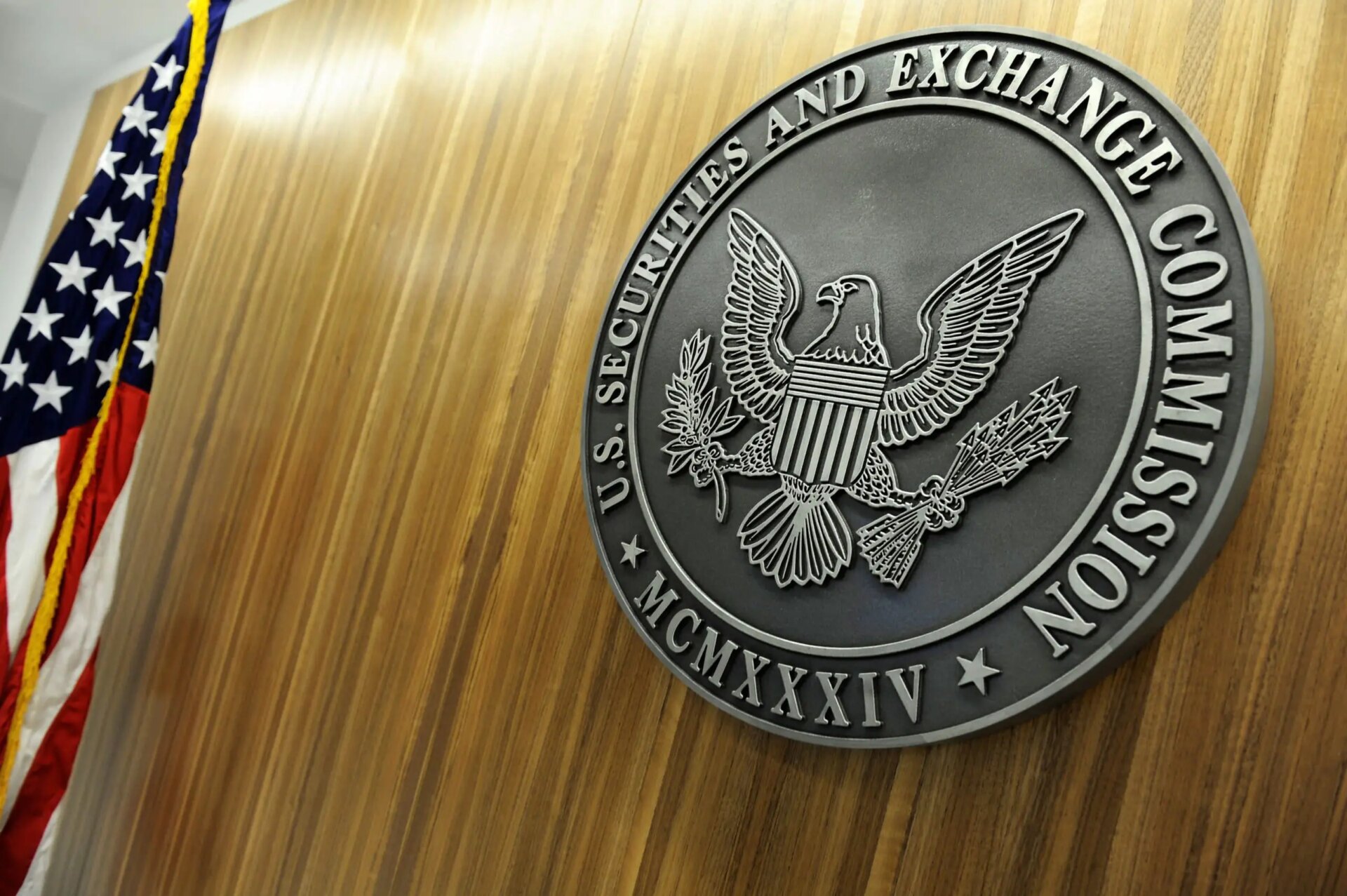

The U.S. Securities and Exchange Commission is preparing one of its most consequential overhauls of digital asset policy in years, with Director James Moloney now at the center of a sweeping reform effort known as “Project Crypto.”
- SEC launches Project Crypto to replace enforcement-driven oversight with a clear rulebook for digital assets under Paul Atkins and James Moloney.
- New taxonomy will classify tokens and create a path for some assets to exit securities status once decentralized.
- SEC and U.S. Commodity Futures Trading Commission are coordinating to unify oversight and cut regulatory overlap.
Launched in 2025 by SEC Chairman Paul Atkins, the initiative signals a deliberate move away from what many industry participants have described as “regulation by enforcement.” Instead, the agency is seeking to build a transparent, rule-based framework that clarifies how crypto assets are defined, issued, and supervised.
Under the leadership of James Moloney, the SEC’s Division of Corporation Finance is advancing a structural reset designed to reduce legal ambiguity and provide clearer compliance pathways for digital asset firms.
A New Taxonomy For Digital Assets
At the core of Project Crypto is the creation of a formal classification system. The SEC is working to define clear boundaries between digital commodities, stablecoins, and tokenized securities, aiming to eliminate years of confusion over which assets fall under securities law.
Another key pillar is a refined “investment contract” framework. The proposal would establish more precise criteria for when a token qualifies as a security under U.S. law. Notably, it introduces a pathway for tokens to transition out of securities status once a network reaches sufficient decentralization – a move that could reshape how projects plan their lifecycle from launch to maturity.
For assets that remain classified as securities, the SEC is also developing tailored rules governing their issuance, offering, and sale. The goal is to create a rational regulatory structure that reflects the technological realities of blockchain-based markets rather than applying legacy models wholesale.
SEC And CFTC Join Forces
In January 2026, Project Crypto expanded into a joint initiative with the U.S. Commodity Futures Trading Commission. The collaboration aims to eliminate overlapping jurisdiction and duplicative registration requirements that have long frustrated market participants.
The two agencies are now coordinating on several immediate priorities. These include drafting rules for tokenized collateral, enabling so-called “super-apps” capable of offering both securities and non-securities within a unified platform, and evaluating potential safe harbor provisions for software developers building blockchain infrastructure.
The inter-agency effort reflects growing recognition that fragmented oversight has slowed innovation and complicated compliance for firms operating across multiple regulatory categories.
Disclosure Day And Broader Market Reform
Moloney has framed the crypto reforms as part of a wider modernization campaign known as the “Disclosure Day” initiative. Beyond digital assets, the SEC is reviewing long-standing disclosure requirements for public companies.
Among the proposals under consideration is a shift from quarterly to semi-annual financial reporting, a change intended to reduce short-term market pressures and encourage longer-term strategic planning. The agency is also revisiting Regulation S-K, with the aim of simplifying disclosure obligations and focusing reporting on material information rather than procedural detail.
Additionally, implementation of the HFIAA reforms will require directors and officers of Foreign Private Issuers to comply with Section 16 reporting requirements beginning March 18, 2026, tightening oversight for cross-border listings.
Moloney’s Regulatory Credentials
Moloney returned to the SEC in October 2025 after spending 25 years at Gibson, Dunn & Crutcher, where he co-led the firm’s securities regulation practice. During his earlier tenure at the SEC between 1994 and 2000, he served as the principal author of Regulation M-A, the framework governing mergers and acquisitions.
His background in complex securities transactions is widely viewed as a signal that the Commission intends to craft durable, technically grounded rules rather than temporary policy statements.
With Project Crypto now advancing through formal recommendations and inter-agency coordination, the SEC appears poised to redefine the regulatory architecture for digital assets in the United States – potentially marking the end of an era dominated by courtroom battles and enforcement-driven policymaking.
The information provided in this article is for educational purposes only and does not constitute financial, investment, or trading advice. Coindoo.com does not endorse or recommend any specific investment strategy or cryptocurrency. Always conduct your own research and consult with a licensed financial advisor before making any investment decisions.

Alex is an experienced financial journalist and cryptocurrency enthusiast. With over 8 years of experience covering the crypto, blockchain, and fintech industries, he is well-versed in the complex and ever-evolving world of digital assets. His insightful and thought-provoking articles provide readers with a clear picture of the latest developments and trends in the market. His approach allows him to break down complex ideas into accessible and in-depth content. Follow his publications to stay up to date with the most important trends and topics.