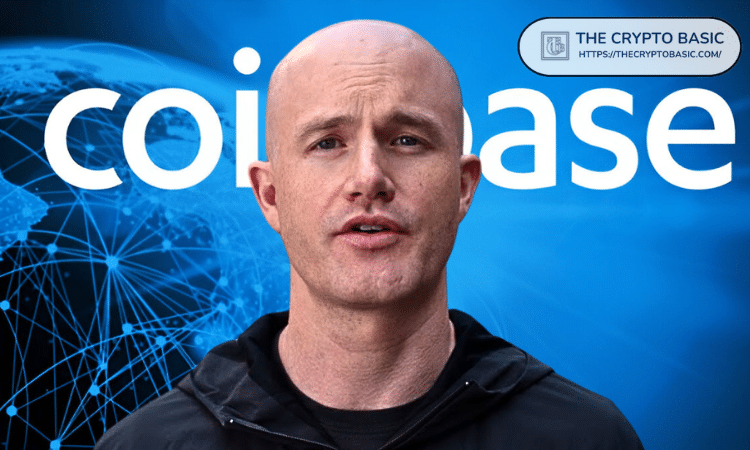

Coinbase CEO Brian Armstrong has renewed his support for Bitcoin, casting it as both a hedge against inflation and a gateway to financial access.
Key Points
- Brian Armstrong says inflation disproportionately harms those holding cash, widening economic inequality.
- Wealthier individuals can shield themselves from inflation by investing in assets such as Bitcoin, stocks, and real estate.
- Bitcoin and other digital assets can expand financial access, enabling anyone with internet access to participate.
- Armstrong links crypto adoption to national economic growth in supportive regulatory environments.
- The CLARITY Act aims to clarify U.S. digital asset regulations, with bipartisan talks targeting passage by April.
- Armstrong warns the U.S. must compete with China’s digital currency initiatives to maintain global financial leadership.
Inflation, Access, and Bitcoin
In a recent post on X, Armstrong argued that inflation hits hardest those who hold most of their wealth in cash. As prices rise, purchasing power erodes—an effect that, in his view, gradually widens economic inequality.
Building on that point, Armstrong suggested that wealthier individuals can better shield themselves from inflation. They often move funds into assets such as stocks, real estate, and Bitcoin. By contrast, those without access to such investments remain more exposed to currency depreciation.
For Armstrong, this gap highlights crypto’s broader purpose. He said digital assets lower barriers to entry in financial markets, meaning anyone with an internet connection can participate. In his view, such accessibility forms the foundation of what he describes as economic freedom.
Extending the argument further, Armstrong linked crypto adoption to national growth. He stated that capital tends to flow toward supportive regulatory environments. Consequently, countries that welcome digital assets could see stronger economic expansion in the years ahead.
CLARITY Act and the Regulatory Push
These comments come as debate intensifies around the CLARITY Act. The proposed legislation seeks to clarify how digital assets are regulated in the United States. Specifically, it aims to define the responsibilities of key agencies overseeing securities and commodities.
Just last week, Armstrong and US Senator Bernie Moreno indicated that discussions are moving in a constructive direction. Moreno said lawmakers are working toward passing the bill, possibly by April.
For the cryptocurrency market, the stakes are high. Many investors view regulatory clarity as a potential boost for sentiment. With Bitcoin trading below $65,000 amid a prolonged period of weakness, any legislative breakthrough could carry symbolic, and possibly practical, weight.
Speaking at the World Liberty Forum, hosted by the family of U.S. President Donald Trump, Armstrong described the evolving regulatory framework as a potential “win” for multiple stakeholders. A balanced bill, he said, could foster innovation in the crypto sector while addressing concerns from the banking industry—ultimately benefiting American consumers.
Moreno struck a similarly cooperative tone, noting that regulators, banks, and crypto firms are working to draw clearer jurisdictional lines. In particular, discussions have focused on how to handle stablecoin yields without weakening US competitiveness.
Global Competition and the China Factor
The debate also carries international implications. Armstrong pointed to China’s efforts to advance a central bank digital currency that pays interest. In response, he argued that the United States must allow competitive stablecoin incentives to keep pace.
Moreno reinforced that message, emphasizing the importance of maintaining America’s leadership in financial innovation. He expressed optimism that lawmakers can finalize the CLARITY Act by April, positioning the U.S. to compete more effectively in the evolving global digital asset landscape.
DisClamier: This content is informational and should not be considered financial advice. The views expressed in this article may include the author’s personal opinions and do not reflect The Crypto Basic opinion. Readers are encouraged to do thorough research before making any investment decisions. The Crypto Basic is not responsible for any financial losses.