Tech billionaires and crypto enthusiasts are currently questioning the long-term security of the Bitcoin network amid the quantum mayhem.
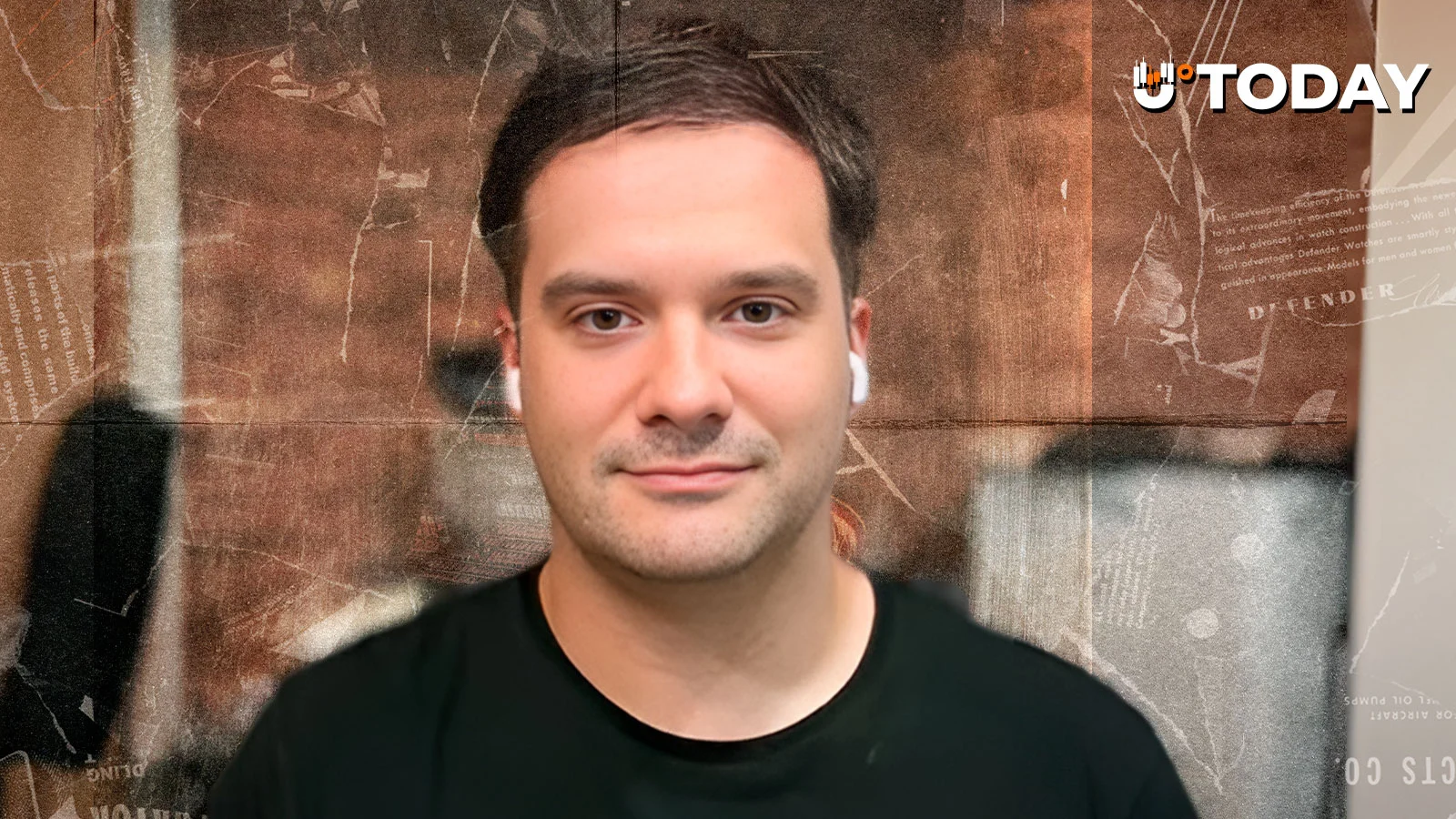
However, according to former Mt. Gox CEO Mark Karpelès, the real threat to Bitcoin is the logistical nightmare of getting every user to upgrade.
In a recent exchange on X (formerly Twitter), Karpelès has warned that successfully migrating the entire Bitcoin supply to a quantum-resistant standard will take years.
Ultimately, a complete 100% upgrade will be virtually impossible.
The real target is ECDSA
As reported by U.Todya, Tesla and SpaceX CEO Elon Musk recently asked his Grok AI chatbot to estimate the probability of Bitcoin’s SHA-256 hashing algorithm being cracked by quantum computers by 2035.
Grok estimated the risk at less than 10%, concluding that Bitcoin is safe “for now.”
Karpelès, however, quickly pointed out that Musk and his AI were focusing on the wrong part of Bitcoin’s code. SHA-256 (used for mining) is highly resistant to quantum attacks, but the digital signatures used to authorize transactions are not.
You Might Also Like

“Not so smart from Elon since the part of bitcoin that is susceptible to quantum computing is ECDSA (sekp256k1), not SHA-256,” Karpelès stated.
If a fault-tolerant quantum computer running Shor’s algorithm reaches sufficient scale, it could theoretically derive a user’s private key from their exposed public key. This will make it possible for an attacker to forge signatures and steal funds.
The migration nightmare
Bitcoin developers can theoretically introduce new post-quantum signature schemes to the network via a soft fork, but deploying the code is only half the battle.
“Bitcoin will need to not only upgrade its cryptography but also have everyone using the current cryptography by moving their coins to new quantum-safe addresses,” Karpelès explained. “This in itself will likely require a number of years and even so will never complete.”
Early Bitcoin addresses are uniquely vulnerable because their public keys are directly exposed on the blockchain by design.
The owners of these lost or dormant coins cannot manually move them to quantum-safe addresses, which is why they will be left entirely exposed.
“At some point, untouched coins will have to be locked. It might be useful to lock all earlier P2PK coins as these are more likely to get stolen. Point being this is not going to be an easy migration,” Karpelès warned.
Locking or “burning” these coins at the protocol level would effectively destroy them to prevent a massive market dump by a quantum thief. However, doing so would fundamentally violate Bitcoin’s core tenets of immutability and absolute property rights. Yet, according to Karpelès, the network will eventually be forced to make a choice.
“Locking will not be happening at first, but considering it’s impossible for 100% of coins to be moved (especially Satoshi coins), only options will be either letting an attacker take ownership or lock. Not a question of if but when.”