
Today, Bitcoin (BTC) and Ethereum (ETH) posted weekly losses of 2% and 7%, with more than $1.5 billion in leveraged positions liquidated across crypto markets. Let’s see how bear market starts and how investors can prepare themselves for this kind of downturn.
How Bear Markets Usually Start
Crypto bear markets follow familiar patterns. Heavy leverage builds during bull runs, only to collapse when prices turn lower. As positions are liquidated, losses cascade across the market.
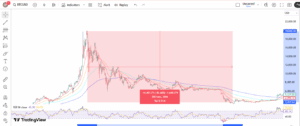
Bear markets in crypto are not new. In 2018, Bitcoin collapsed more than 80% from its all-time high, and in 2022 the Terra/Luna collapse triggered contagion that erased hundreds of billions in market capitalization.
Capital Preservation Comes First
The first step in surviving a bear market is protecting capital. With cascading liquidations already underway, trimming riskier positions is essential.
Leverage is particularly dangerous in this environment. Even small declines can trigger margin calls, forcing liquidations at unfavorable prices. Investors are reducing exposure to speculative altcoins and concentrating on Bitcoin and Ethereum, which historically hold up better during downturns.
Stablecoins remain a defensive option, but history, like the collapse of TerraUSD, has shown they are not risk-free. Regulatory pressures now weigh on centralized issuers. Sticking to fully backed, transparent options such as USDC is better option.
Managing Risk and Staying Liquid
Liquidity is critical during downturns. Investors who keep an emergency fund—6 to 12 months of expenses in fiat or stablecoins—are less likely to be forced into panic sales.
Cold storage solutions like hardware wallets also provide security against exchange insolvencies. Past bear markets have seen high-profile exchange collapses, leaving investors unable to access their funds.
Equally important is planning exits and entries. Predefined price levels help reduce emotional decision-making, whether to lock in profits or cut losses.
The Psychology of Bear Markets
Bear markets can last months or years, grinding down investor morale. Prices fall slowly, rallies fade quickly, and negative sentiment dominates.
For many, the psychological challenge is harder than the financial one. Panic selling into lows or buying into fleeting rallies often leads to worse outcomes. The solution is discipline. Avoiding impulsive trades, ignoring extreme sentiment, and focusing on long-term strategy helps investors endure downturns.
Opportunities Still Exist in Downturns
Despite the current sell-off, opportunities remain for patient participants. Some of the most successful projects were built in bear markets. Ethereum’s ecosystem expanded in 2018, and decentralized finance (DeFi) protocols emerged during the 2019–2020 downturn.

Today, infrastructure projects, layer-2 solutions, and regulated ETF frameworks act as potential bright spots. With the SEC easing listing rules, institutional flows may expand once markets stabilize. That said, timing remains uncertain.
For long-term investors, dollar-cost averaging into Bitcoin and Ethereum during downturns has historically paid off. But discipline, patience, and selective accumulation are essential.