San Francisco, CA – Crypto has a habit of declaring the future early. In recent months, that instinct has fixated on autonomous AI agents, self-driving wallets and trading systems that can move capital without human oversight.
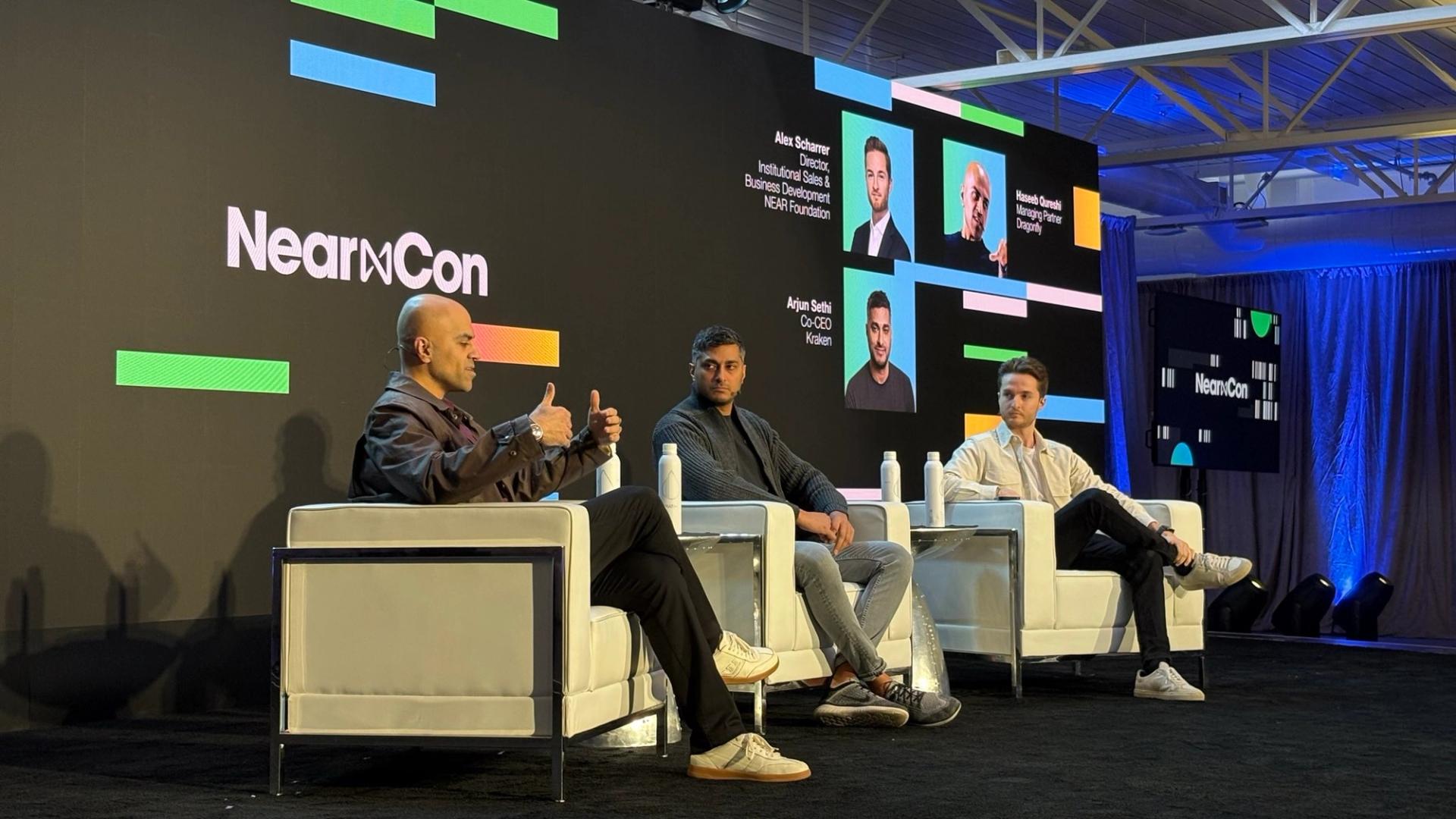
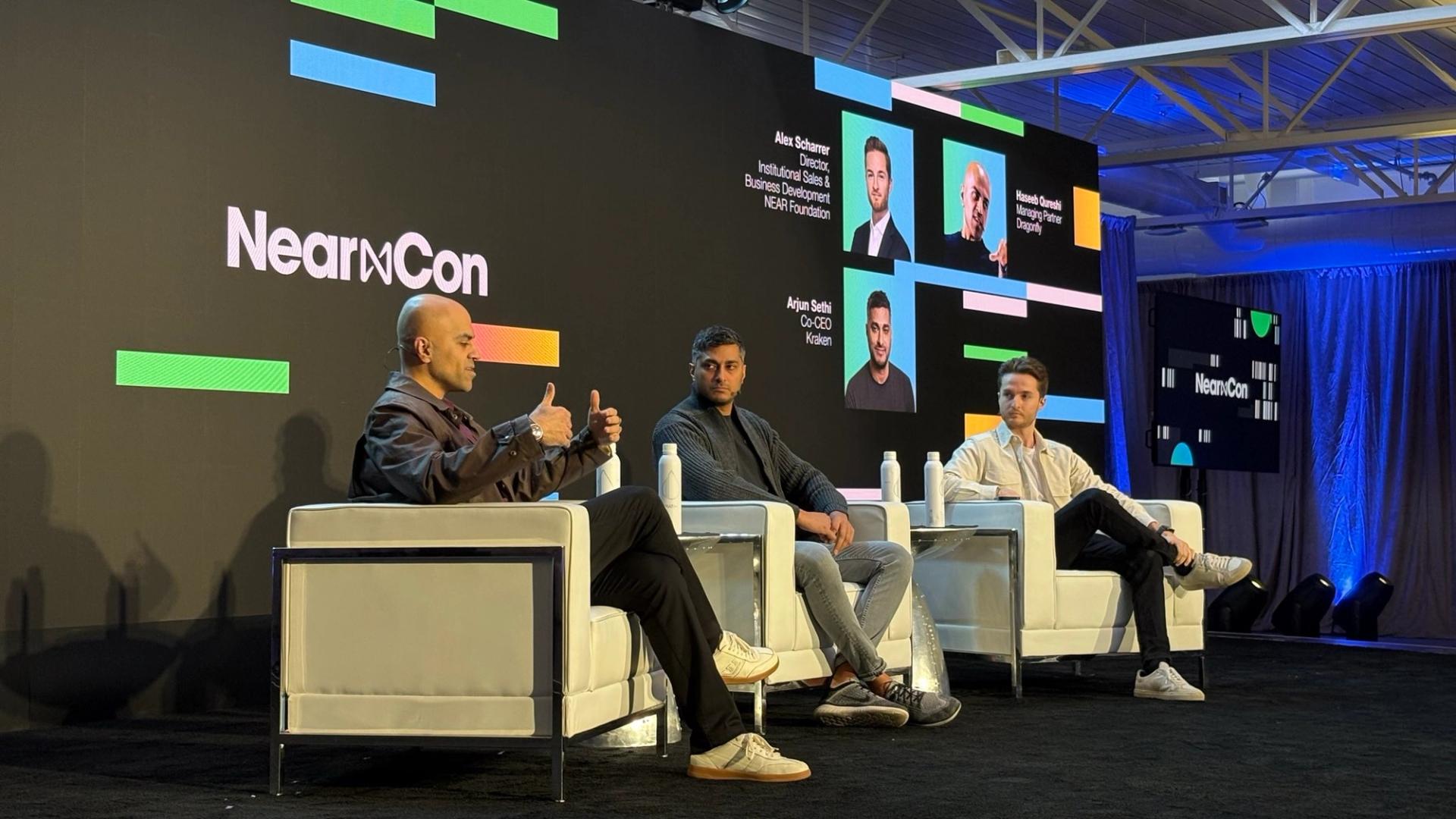
At NEARCON 2026, Dragonfly’s Haseeb Qureshi and Kraken co-CEO Arjun Sethi delivered a sharp debate over how soon those agents can be trusted with real money.
The core disagreement wasn’t about whether agents will eventually manage capital; both believe they will, but about timing and risk tolerance.
“Something that works with money 90% of the time is unusable for actual economic activity,” Qureshi said. Even 95% reliability, he argued, isn’t sufficient. “It’s a lot of nothing, nothing, nothing… then something, and then everything. And right now, we’re still in the nothing phase.”
Qureshi suggested the industry may be overstating how ready the technology is. He cautioned against extrapolating from viral demos on social media, pointing to examples of autonomous systems malfunctioning. “You want to be very cautious of trying to ingest your worldview of technology by reading Twitter hype people and watching Twitter demos,” he said.
For Qureshi, impressive demonstrations are not the same as systems robust enough to manage meaningful capital. For major consumer platforms, he added bluntly, “You cannot do that sh**.”
Sethi, by contrast, argued the pace of improvement is exponential, and already reshaping financial infrastructure. “We think we know what’s going to happen,” he said. “The speed and the level of innovation… is exponential.” Kraken, he noted, is already building agent-like capabilities for customers “weeks and months away — not years away.”
Where Qureshi sees a steep reliability threshold before widespread deployment, Sethi sees rapid iteration narrowing the gap. “The attack surface grows as much as the security surface grows,” he said, suggesting defensive capabilities will scale alongside risk.
The debate crystallized during a rapid-fire round. Asked what percentage of his own portfolio an AI could manage better today, Qureshi answered cautiously: “Five percent.”
Sethi’s response: “One hundred.”
Pressed further on if he would put all of his crypto into an autonomous agent within a year, Sethi didn’t hesitate.
“Everything,” he said. “In the next six to twelve months.”
The exchange underscored a broader split emerging in crypto: whether autonomous finance is a near-term inevitability or still a frontier experiment, and how much risk the industry is willing to tolerate in finding out.
Read more: Crypto venture capital firm Dragonfly raises $650 million despite ‘gloom of a bear market’