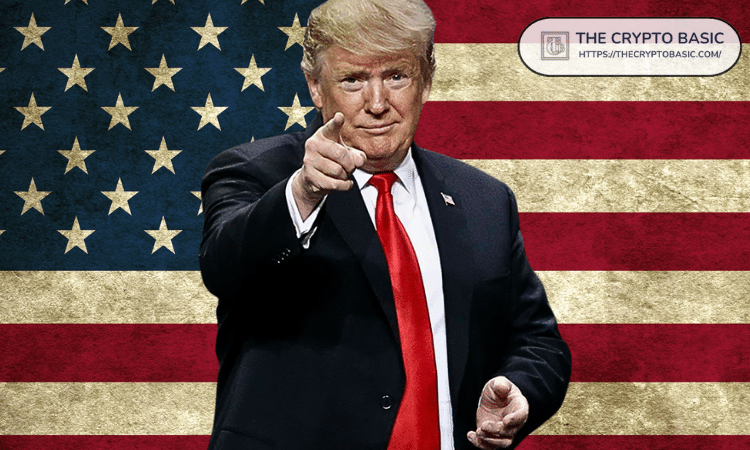

U.S. President Donald Trump has said the United States must remain “dominant” in the cryptocurrency industry.
His remarks come as policymakers continue debating how cryptocurrencies should be regulated. At the same time, tensions are increasing between crypto companies and traditional banks. For instance, there is strong tension over whether stablecoin providers should be allowed to offer yield-like returns to users.
Key Points
- Trump sides with the crypto industry, urging banks not to block legislation advancing digital asset regulation.
- A central dispute centers on stablecoin yields, with crypto firms seeking to offer interest-like returns and banks warning of risks to deposits.
- The Clarity Act, intended to clarify digital-asset rules, has stalled due to disagreements between the crypto industry and banks.
- The GENIUS Act, passed last year, established the first U.S. framework for stablecoins and is a foundation for new legislation.
- Trump warns that regulatory delays could push crypto firms overseas, benefiting countries like China.
- Questions arise about potential conflicts of interest given the Trump family’s links to World Liberty Financial.
Stablecoin Yield Debate Drives Industry Tensions
The disagreement between the two industries largely revolves around stablecoin yields.
Crypto companies want the ability to offer interest-style returns on stablecoin holdings, arguing that such products would allow consumers to earn income on idle digital funds. In addition, proponents say this feature could make digital assets more useful as everyday financial tools.
Banks, however, view the proposal as a potential threat. Financial institutions warn that yield-bearing stablecoins could divert large sums of money away from the traditional banking system, potentially weakening deposits and disrupting existing financial structures.
Despite these concerns, some crypto firms are already exploring the concept. For example, the Coinbase exchange has expressed interest in developing products that could provide yield-style returns to users.
Trump Pressures Banks Over Crypto Policy
Against this backdrop, Trump publicly sided with the crypto industry. In a social media post late Tuesday, he criticized banks for resisting legislation that would advance digital asset regulation.
Trump argued that banks should work toward an agreement with the crypto sector rather than obstruct policy efforts. He also said Americans deserve better opportunities to grow their savings.
At the same time, the president noted that many banks are reporting record profits. According to Trump, financial institutions should not block policies that could expand financial options for consumers.
He also warned that continued regulatory delays could drive the crypto industry overseas. In particular, countries such as China, he said, might attract digital asset companies if the United States fails to create a supportive regulatory environment.
Legislative Efforts Face Delays
The ongoing dispute has slowed progress on the Clarity Act, a legislation designed to establish rules for digital asset markets. Lawmakers introduced the bill to clarify regulatory responsibilities and create a more defined framework for the industry.
The measure is closely connected to the GENIUS Act, which Congress approved last year. That law created the first regulatory framework focused specifically on stablecoins.
Trump described the GENIUS Act as a major step toward positioning the United States as a global hub for cryptocurrency. In his view, passing the Clarity Act would build on that foundation and further strengthen the country’s standing in the digital asset market.
Even so, the bill’s future remains uncertain. Although Republicans control Congress, the ongoing disagreement between banks and crypto firms has slowed legislative momentum.
Conflict-of-Interest Questions Emerge
Trump’s strong support for the crypto sector has also attracted scrutiny for another reason: his family’s financial ties to digital asset ventures. One example is World Liberty Financial, a crypto platform linked to business interests associated with the Trump family.
These connections have raised questions about potential conflicts of interest as crypto-related legislation moves through Congress. Critics argue that such ties could complicate the policy debate surrounding digital assets.
The Path Forward for U.S. Crypto Policy
For now, Trump’s backing could influence lawmakers as discussions over crypto regulation continue. However, it remains unclear whether his support will be enough to secure approval of the Clarity Act.
What is certain is that the outcome of this debate could significantly shape the future of cryptocurrency regulation in the United States. Decisions made in Congress may determine whether the country strengthens its leadership in the digital asset industry or risks losing ground to global competitors.
DisClamier: This content is informational and should not be considered financial advice. The views expressed in this article may include the author’s personal opinions and do not reflect The Crypto Basic opinion. Readers are encouraged to do thorough research before making any investment decisions. The Crypto Basic is not responsible for any financial losses.