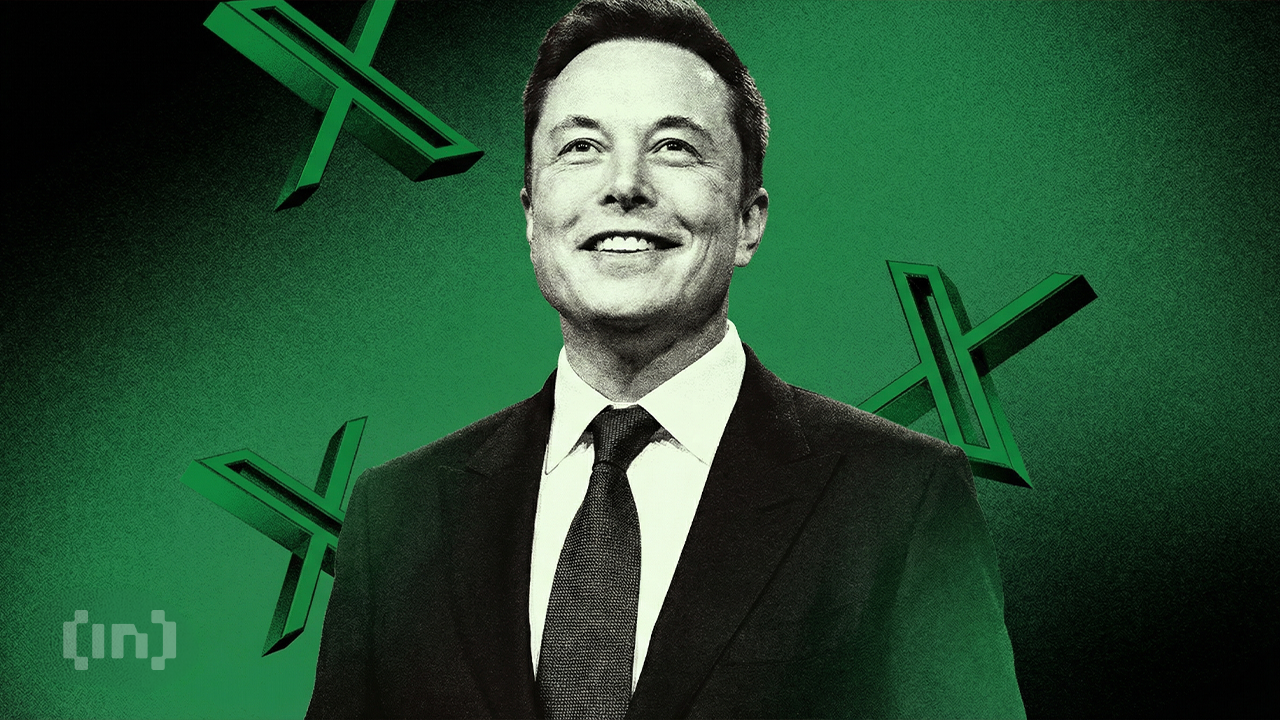
In a major policy shift, X has removed cryptocurrency and gambling from its prohibited industries list for paid promotions, opening the door for influencers and KOLs to legally monetize crypto content on the platform.
The change marks a significant reversal of a ban that had been in place since at least June 2024.
The entire financial products category, including loans, investment services, and crypto, was removed from X’s advertising policies.
“Crypto is no longer listed under Prohibited Industries for paid promo on X,” observed analyst DeFi Ignas. “The policy page changed recently. On February 16, it was still there.”
Gambling was also removed from the list, while other industries such as pharmaceuticals, tobacco, weapons, and weight loss were added.
The platform’s new Paid Partnership framework requires influencers to disclose any compensated promotion.
“Undisclosed promotions hurt the integrity of the product and lead people to distrust the content they read on X. This new feature will allow you to comply with regulations, but more importantly, it enables you to be transparent with your followers,” Nikita Bier, X’s Head of Product, articulated.
Posts created as part of a Paid Partnership must now include the “Paid Partnership” label. Influencers are responsible for ensuring that content complies with applicable laws, including the FTC’s regulations on endorsements and testimonials.
Meanwhile, X’s updated policy distinguishes Paid Partnerships from standard advertising. This means content prohibited under Paid Partnerships may still be permitted through X Ads.
The policy update has drawn mixed reactions in the crypto community, with some users celebrating the return of crypto promotions.
However, not all reactions are positive, with analyst Benjamin Cowen highlighting what the change means for the business models crypto influencers use.
“90% of crypto influencers now need to find a new business model that does not just involve them pretending to like a project they were paid to promote, allowing them to dump their allocations on the people that trusted them,” warned Cowen.
In the same tone, Rune raised concerns about enforcement, noting that the platform was now banning every user promoting (shilling) cryptos, whether disclosed or not. In their opinion, the latest move lays the groundwork for future restrictions on Crypto Twitter.
“It’s supposed to be for ‘paid partnerships,’ but who can tell the difference between someone promoting a token without being paid and someone who is being paid to promote it? There will be a massive ban wave on CT, and everyone will be scared to shill tokens,” Rune wrote.
General sentiment is that this policy change could reshape crypto marketing on X (Twitter). Crypto influencers who previously relied on informal promotion may need to adapt their strategies.
Meanwhile, brands now have a clearer, legal path for campaigns, provided they adhere strictly to disclosure rules.
The update is effective immediately, signaling X’s attempt to balance regulatory compliance with creator monetization.
As the platform navigates these changes, transparency and proper labeling are likely to become the central pillars of any successful crypto marketing strategy on X.